The right staple food plays an important role in balancing calories and nutrients during weight loss. It is an everyday staple in Indian households to eat rice and roti. However, the question often arises: which is better for weight loss, rice or roti? There is no simple answer to this question. Choosing the right one for you depends on your dietary needs, and you can make better choices if you understand the pros and cons of each.
In addition to this, let’s discuss how other factors such aspreparationmethod,grain type, and timing influence your weight loss journey.
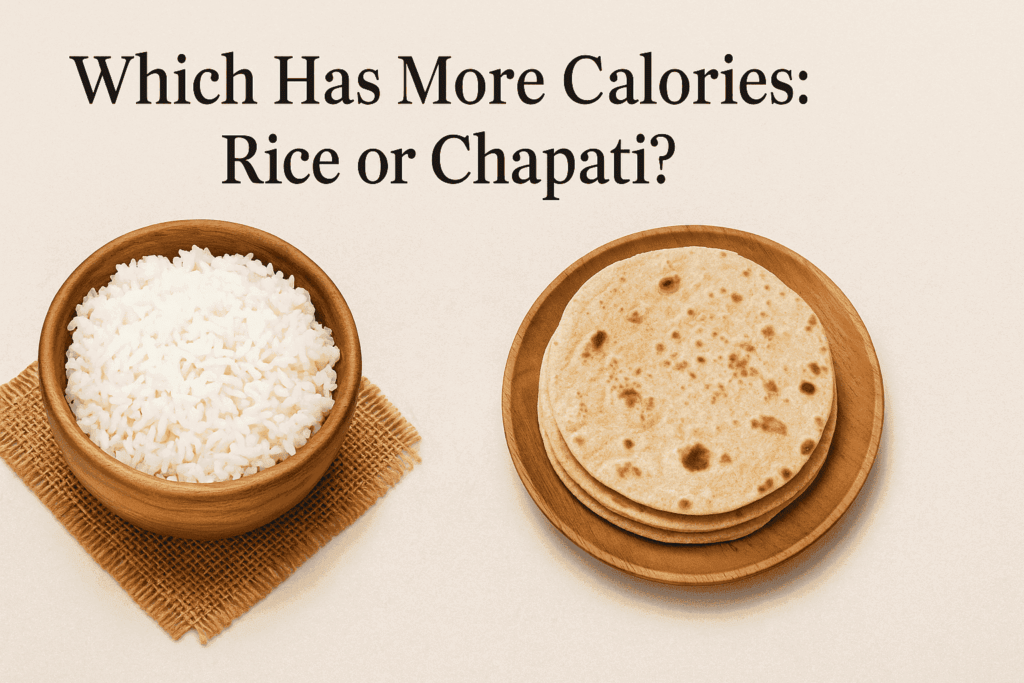
Which Has More Calories: Rice or Chapati?
One of the most frequently searched questions is: Which has more calories, rice or chapati?
Here’s a quick comparison:
Item
Calories
Cooked White Rice
~130 kcal
Whole Wheat Roti
~110 kcal
*Values are approximate and may vary based on preparation method.
For expert guidance on choosing the healthiest rice, reach out to Shah Enterprises your trusted partner in premium rice exports.
The calories in chapati (roti) are typically lower than those in whiterice. Moreover, rotis are rich in fiber, which makes you feel fuller and preventsovereating. However, keep in mind that portion size and preparation methods (e.g., using ghee or oil) can alter calorie content.
Is Roti Good for Weight Loss?
Roti is a popular choice for weight watchers. In comparison with white rice, roti is made from whole wheat or other grains that have a lower glycemic index than white rice. Here are a few benefits:
Rich in Fiber
Whole wheat roti is high in dietary fiber, which promotes digestion and helps you feel full longer.
Complex Carbohydrates
These release energy slowly and help regulate blood sugar levels.
Customizable
Roti can be made from multigrain flours like bajra, jowar, or ragi for added health benefits.
For maximum benefits, pair roti with protein-rich foods like dal or vegetables for a balanced meal.
Is Rice Good for Weight Loss?
Rice often gets a bad reputation, but it can still be part of a balanced weight loss diet.
Quick Energy Source
Rice is rich in carbohydrates, which makes it a good pre-workout meal for those who engage in regular physical activity.
Low in Fat
Rice contains minimal fat and no cholesterol.
Nutritional Variety
Opt for brown rice, red rice, or black rice instead of white rice to enhance nutrient intake.
While white rice may spike blood sugar, alternatives like brown rice are more suitable for weight management. As a bonus, brown rice offers antioxidants, aiding your skin and hair health.
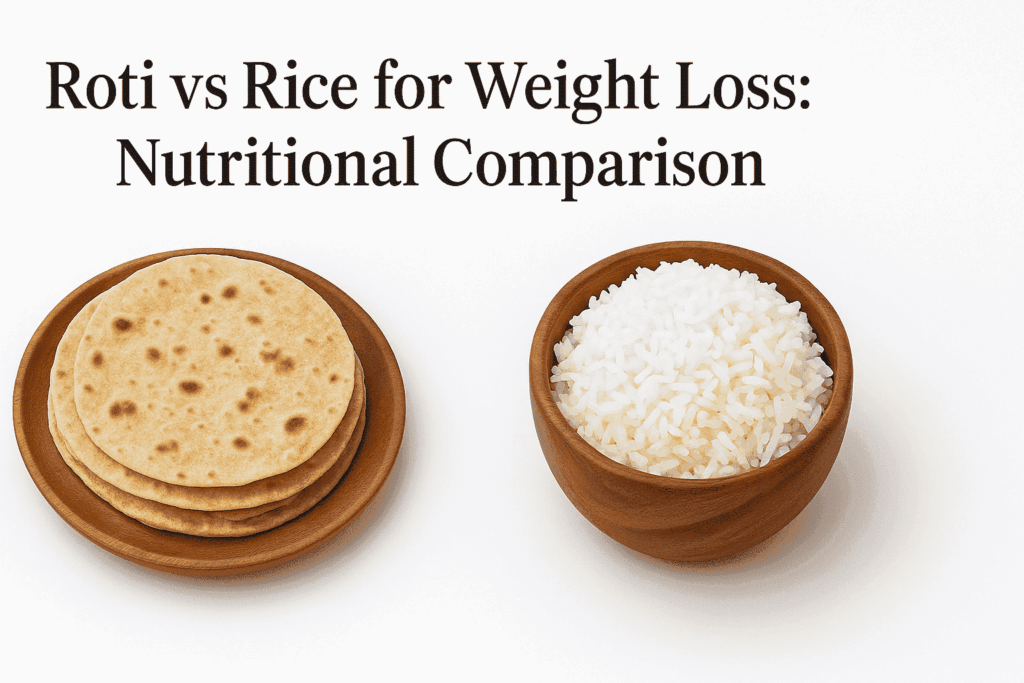
Roti vs Rice for Weight Loss: Nutritional Comparison
Let’s compare their nutritional comparison:
Nutrient
White Rice
Whole Wheat Roti
Calories
130
110
Protein
2.4g
3g
Fiber
0.4g
2g
GI Index
High
Moderate
From the table, it’s clear that roti has more fiber and protein, both crucial for weight loss and appetite control. But rice, especially in its brown form, can also be effective when consumed in moderation.
When to Eat Rice or Roti During Weight Loss?
Timing matters just as much as content.
Lunch
This is a good time to eat rice since your body has the whole day to digest it.
Dinner
Roti is a better choice at night as it digests slowly and keeps you full.
For balanced nutrition, combine with vegetables and protein sources at both meals.
Pair either with a good source of protein (dal, tofu, or chicken) and vegetables to ensure a balanced meal.
Which Option Suits Your Lifestyle and Goals?
For Diabetics
Roti, especially made with barley or oats, may be more suitable due to its lower glycemic index.
For Active Individuals
Athletes or those with physically demanding jobs may benefit more from rice for its energy boost.
For Skin & Hair
Brown rice is rich in antioxidants and vitamins that support skin and hair health.
Also, keep in mind that theIndian rice prices are often lower for white rice, but investing in high-quality brown or organic rice has long-term health payoffs.
Final Verdict: Rice or Roti for Weight Loss?
Both rice and roti can be part of a successful weight loss plan if you:
Maintain a balance of macronutrients (protein, carbs, fats)
Ultimately, the best rice in India for weight loss is brown or red rice, and the healthiest roti is one made from whole or mixed grains.
If you’re looking to export rice from India, brown rice is gaining popularity in international markets due to its health benefits. Additionally,eatingrawrice(oftenoutofhabitor craving)isdiscouraged. It can cause digestive issues, so if you struggle with it, seektips to stop eating raw rice from a healthcare provider.
Need expert rice advice? Call Shah Enterprises now for guidance.
Yes, roti, especially whole wheat or multigrain is often considered better for weight loss than white rice because it’s higher in fiber and digests slowly, keeping you full longer.
Stopping rice can help reduce calorie intake if it’s replaced with high-fiber alternatives, but make sure you’re still getting enough energy and nutrients.


 Chat on WhatsApp