What is Sushi Rice? Health, Origin, Benefits & How to Make It
What is Sushi Rice?
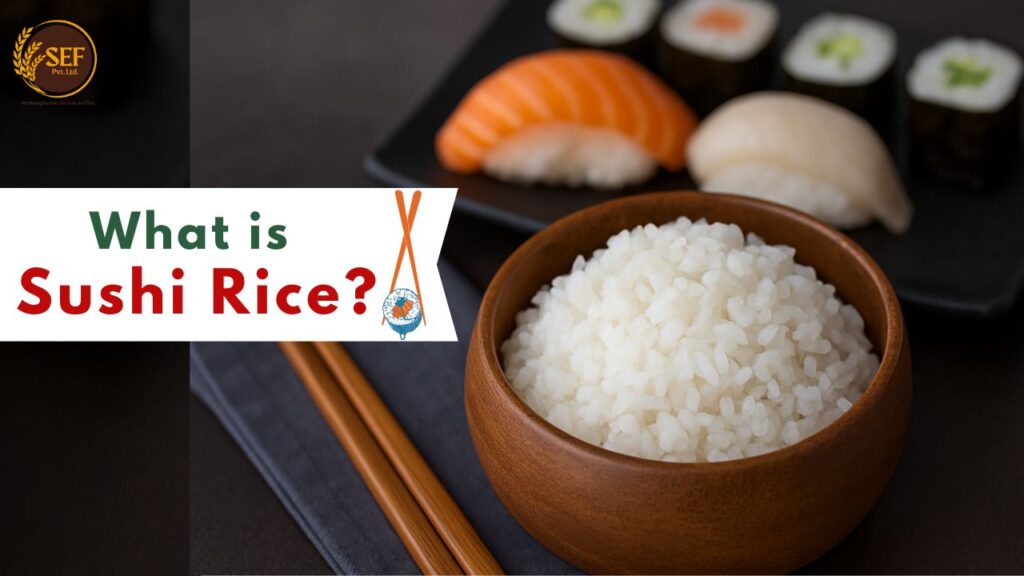
Sushi rice, known as “shari” or “sumeshi” in Japanese, is a short-grain white rice specifically used in sushi recipes. As a result of its seasoning, it becomes sticky and slightly sweet after cooking, which makes it an ideal binding agent for sushi rolls. Using rice vinegar, sugar, and salt, this rice is seasoned to create a unique flavor profile. In addition to its soft texture and glossy appearance, sushi rice has a neutral taste that complements raw fish, vegetables, or other sushi fillings.
As sushi becomes more popular globally, there is growing interest in topics like sushi rice nutrition, whether sushi rice is healthier than regular white rice, and if sushi is good for weight loss. Many also wonder, is sushi rice easy to digest, and are there any side effects of sushi rice? This guide answers all of these, providing insights into health, cooking, and how to enjoy sushi mindfully.
Sushi Rice Nutrition Facts per 100g
Nutrient
Value (Approx.)
Calories
130 kcal
Carbohydrates
28.7g
Protein
2.4g
Fat
0.2g
Fiber
0.3g
Sugar (from seasoning)
~1.2g
Glycemic Index (GI)
High (68–72)
Further, sushi rice has a high level of carbohydrates, even though it has a low fat and protein content. Because vinegar, sugar, and salt are added during preparation, its calorie count increases slightly. The rice in sushi provides a quick source of energy, but portion control is important, especially for those who are monitoring their blood sugar levels or calorie intake.
Is Sushi Rice Healthier Than Regular White Rice?
Sushi rice and regular white rice may look similar, but there are some differences. In addition, sushi rice is more refined, seasoned with vinegar and sugar, and therefore has a slightly higher calorie and sugar content.
However, when paired with lean proteins like fish or tofu and vegetables, sushi meals can be quite healthy. Unlike plain white rice, sushi rice contributes to balanced dishes that are portion-controlled and nutrient-rich.
Tip: Choose sushi made with brown rice or minimal seasoning if you want an even healthier option.
Is Sushi Good for Weight Loss?
Sushi can support weight loss goals when consumed mindfully. A sushi roll made with fresh vegetables, lean protein (like salmon or tuna), and limited high-calorie sauces (like mayonnaise) can be both filling and low in calories.
Sushi rice does contain sugar, which contributes to the total calorie count. However, since sushi is typically served in small, rolled portions, it can help with portion control.
Best Sushi Types for Weight Loss:
Sashimi (raw fish without rice)
Veggie rolls (with avocado, cucumber)
Nigiri (fish over rice with no extra sauces)
Is Sushi Rice Easy to Digest?
Yes, sushi rice is generally easy to digest. It is soft, slightly sticky, and low in fiber, which makes it ideal for individuals with sensitive stomachs. The vinegar used in seasoning also aids digestion to some extent.
Further, Sushi rice is steamed rather than fried, which retains its light texture and makes it less greasy than other rice-based meals. People recovering from digestive issues often prefer sushi rice for its simplicity.
Good for: Kids, elderly, and those recovering from illness.
Which Country is Famous for Sushi?
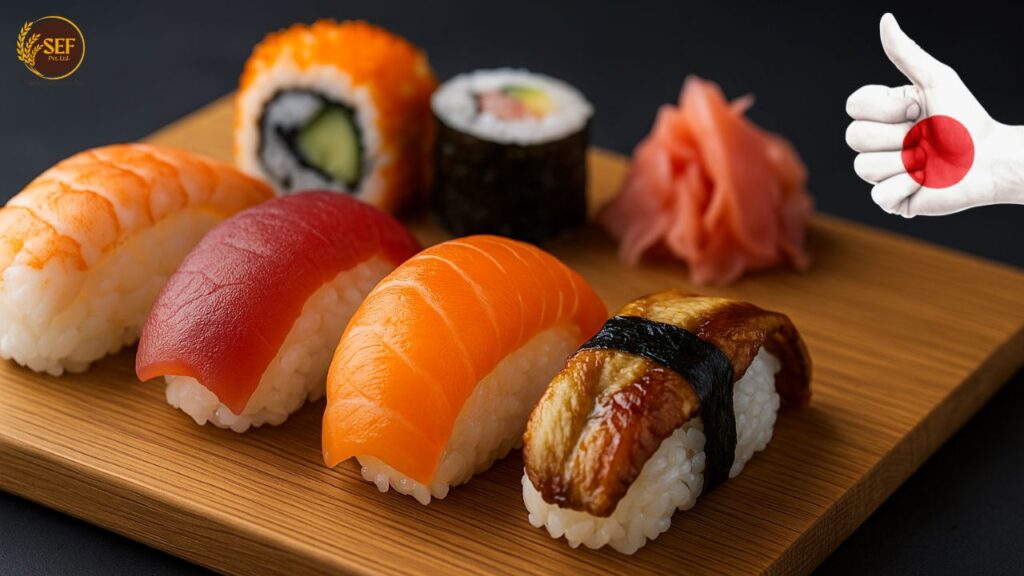
Japan is the birthplace of sushi and remains the most iconic country associated with this culinary art. Sushi originated as a method of preserving fish and evolved over centuries into the sophisticated dish we enjoy today.
Countries like the USA, South Korea, and Australia have embraced sushi, adapting it to local tastes. Fusion rolls, vegan sushi, and deep-fried versions are examples of sushi’s global adaptability.
Fun Fact: Japan celebrates “Sushi Day” every year on November 1st!
Is Sushi Available in India?
Yes, sushi is now widely available in Indian metro cities such as Mumbai, Delhi, Bangalore, Hyderabad, and Pune. With the rising popularity of Japanese cuisine and a growing health-conscious demographic, sushi has become a gourmet favorite.
Many Japanese and pan-Asian restaurants, as well as cloud kitchens and grocery stores, offer sushi or sushi ingredients. Sushi rice is also now imported and locally available, making homemade sushi a trend among urban foodies.
Tip: Use Indian short-grain rice like Gobindobhog or import authentic sushi rice for the best texture.
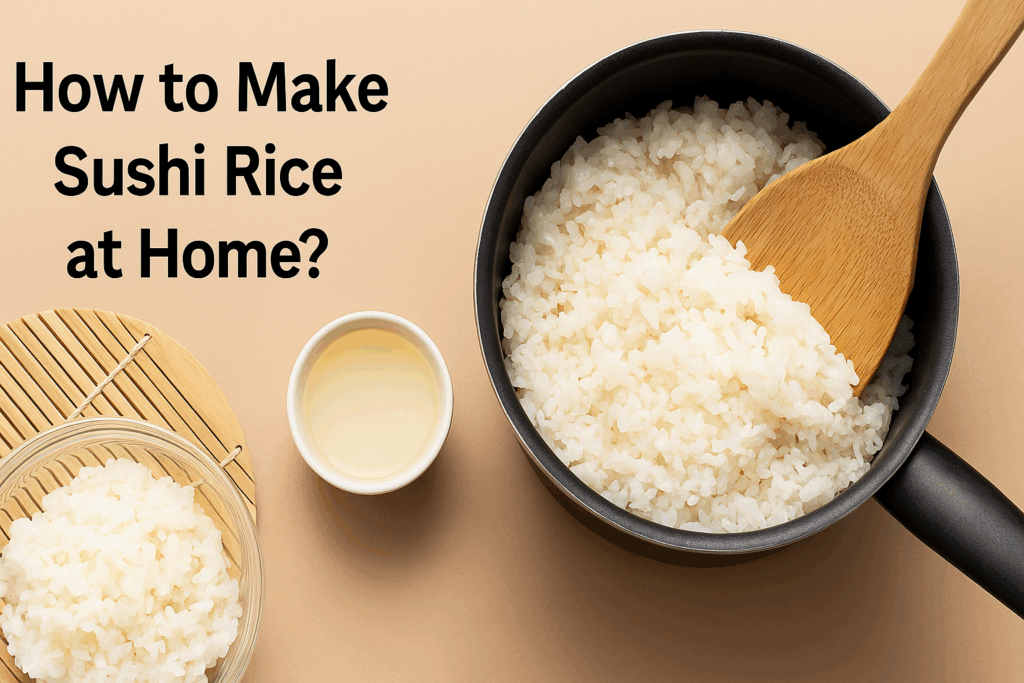
How to Make Sushi Rice at Home?
Ingredients:
1 cup short-grain sushi rice
1¼ cups water
2 tbsp rice vinegar
1 tbsp sugar
½ tsp salt
Steps:
Rinse the rice 3–4 times until the water runs clear.
Soak the rice for 30 minutes.
Cook using a rice cooker or pot (1:1.25 ratio of rice to water).
Mix rice vinegar, sugar, and salt. Heat until dissolved.
While rice is still hot, gently fold in the vinegar mixture.
Allow to cool before using for sushi.
Note:
Do not refrigerate sushi rice; it becomes hard and dry.
Sushi Rice vs Brown Rice – Which is Better?
Feature
Sushi Rice
Brown Rice
Texture
Sticky
Firm
Calories (per 100g)
~130 kcal
~111 kcal
Fiber
Low
High
GI Score
High
Low to Moderate
Best Use
Sushi Rolls
Health Bowls
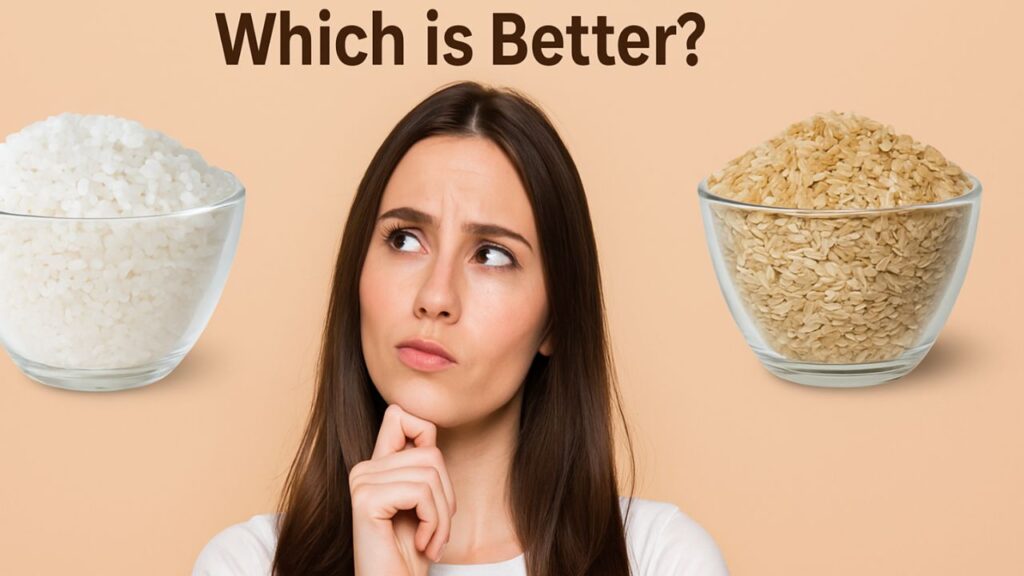
Brown rice is the healthier option in terms of fiber and glycemic control. However, sushi rice is better for traditional sushi due to its stickiness and neutral taste.
Side Effects Of Sushi Rice
While sushi rice is generally safe for most people, here are a few considerations:
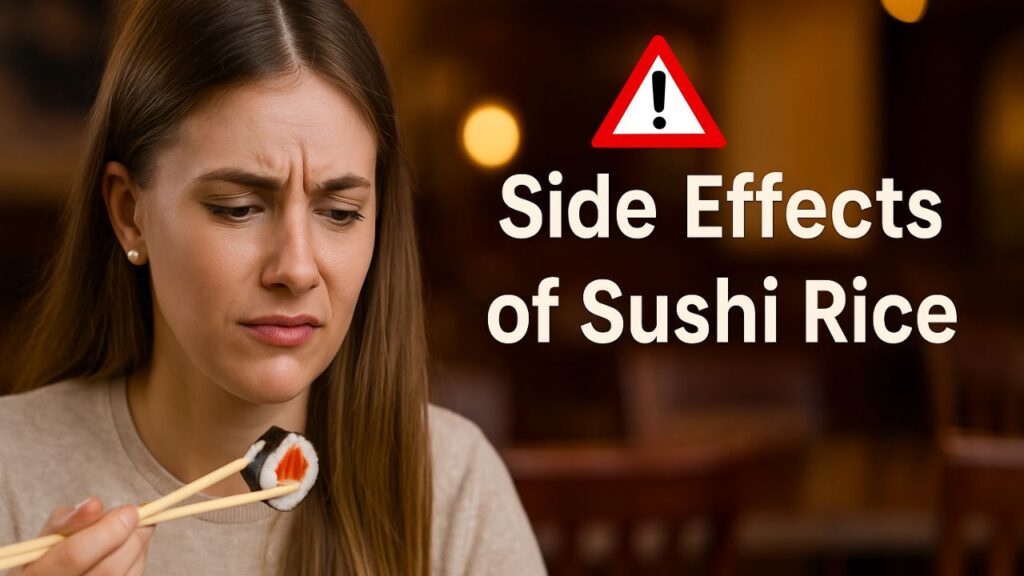
High Glycemic Index: Sushi rice has a high GI, which may not be suitable for individuals with diabetes if consumed in large amounts.
Added Sugar: The vinegar mix contains sugar, which may not be ideal for people on low-sugar diets.
Sodium Content: The seasoning mixture may slightly elevate sodium intake, especially when paired with soy sauce.
Always monitor portion sizes and ingredients if you are following a special diet.
Conclusion
Sushi rice is a delicious and culturally rich food base that can be part of a balanced diet. While slightly sweetened, it’s low in fat and easy to digest. When paired with healthy fillings and served in moderation, sushi rice can support both wellness and enjoyment.
India is known for having the best rice quality in the world, and is also the largest rice exporter in the world. For businesses looking to export rice from India, including specialty types for sushi, Shah Enterprises offers world-class sourcing, packaging, and global delivery support.
Looking to source high-quality rice for sushi or other premium markets? Contact Shah Enterprises today.
Sushi rice is a type of short-grain or medium-grain white rice, traditionally known as Japanese rice or shari. It becomes sticky when cooked and is seasoned with rice vinegar, sugar, and salt to achieve the signature sushi flavor.
In India, sushi rice is usually referred to as Japanese sticky rice or short-grain rice. While not locally grown on a large scale, it is imported and sold under names like “sushi rice” or “Japanese rice” in gourmet and online stores.
Yes, sushi rice can be healthy when eaten in moderation. It’s low in fat and cholesterol-free. However, its high glycemic index means it may spike blood sugar levels, so pairing it with protein and fiber-rich foods is ideal.
Yes, sushi rice is more expensive than regular rice due to its premium quality, sticky texture, and import costs. The price can range between ₹300–₹600 per kg in India, depending on the brand and origin.
Yes, sushi can be eaten during periods. Opt for cooked varieties and avoid raw fish if you have a sensitive stomach. Sushi rice is light and easy to digest.



 Chat on WhatsApp