Red rice is emerging as a powerful superfood in the global health and nutrition space. In India and internationally, this whole-grain rice is gaining traction due to its distinctive red color derived from natural antioxidants called anthocyanins. With its dense nutritional profile, red rice has become a favorite among those seeking healthier alternatives to white rice. No matter if you’re watching your weight, managing diabetes, or simply switching to clean eating, red rice can add a lot of nutrition to your meals.
Let’s dive into the types, benefits, side effects, and best ways to cook red rice to suit various health needs.
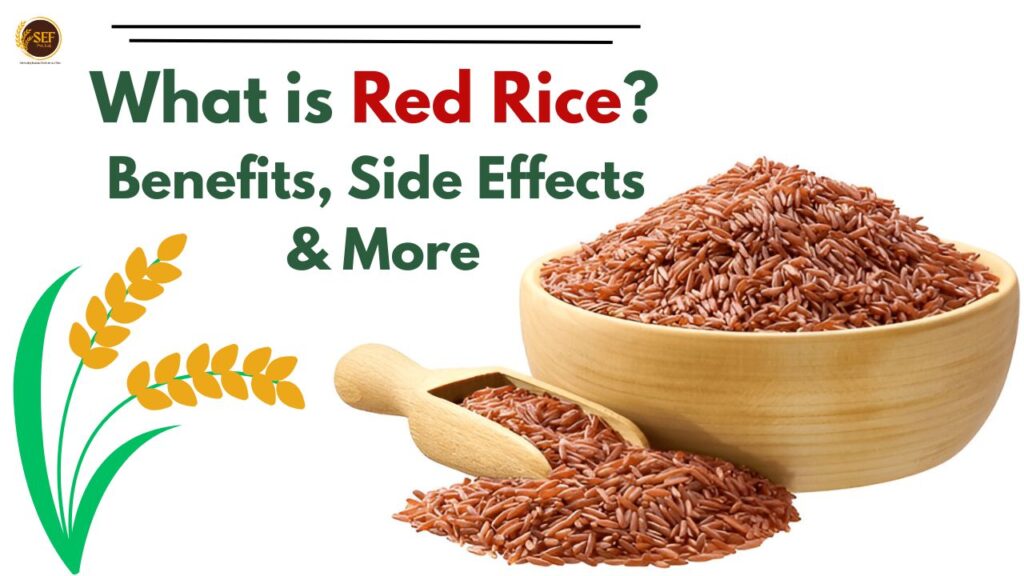
Red rice is a variety of rice that retains its bran layer and has a reddish-brown color due to the presence of anthocyanins, natural pigments with strong antioxidant properties. Furthermore, it is gradually becoming recognized as one of the best rice quality in India for health-conscious consumers.
Here are some popular types of red rice from different regions:
| Type | Region/Country | Grain Size | Cooking Time | Flavor Profile |
|---|---|---|---|---|
| Matta Rice (Kerala Red) | India (Kerala) | Medium | 30–35 mins | Earthy, nutty |
| Bhutanese Red Rice | Bhutan | Short | 20–25 mins | Soft, slightly sweet |
| Thai Red Cargo Rice | Thailand | Long | 35–40 mins | Nutty, chewy |
| Camargue Red Rice | France | Medium | 30–35 mins | Mild, aromatic |
These types of red rice differ in texture, flavor, and nutritional value, but all offer excellent red rice benefits for health-conscious consumers.
Red rice is often celebrated for its impressive nutritional content. Here’s what makes it stand out:
Red rice nutrition is one of the key reasons why this grain is considered a smart dietary choice across various age groups.
Absolutely! Red rice can be a great addition to a weight loss diet. Here’s why:
Add it to your lunch or dinner routine in moderate portions for effective weight management.
Yes, red rice is a smart choice for diabetics. It contains complex carbohydrates and dietary fiber, which prevent sudden blood sugar spikes.
Pair red rice with dal, vegetables, or lean protein to make it even more diabetic-friendly.
Yes. If you’ve ever wondered, is red rice good for health, the answer is a resounding yes. It supports:
Its bran layer holds powerful phytonutrients that support longevity and well-being.
Though red rice is healthy, it may cause minor side effects in certain cases:
Also, like any grain, consuming raw rice (even red) is unsafe and can lead to digestive distress. Eating raw rice benefits is a myth and should be avoided as raw rice can harbor bacteria or cause indigestion.
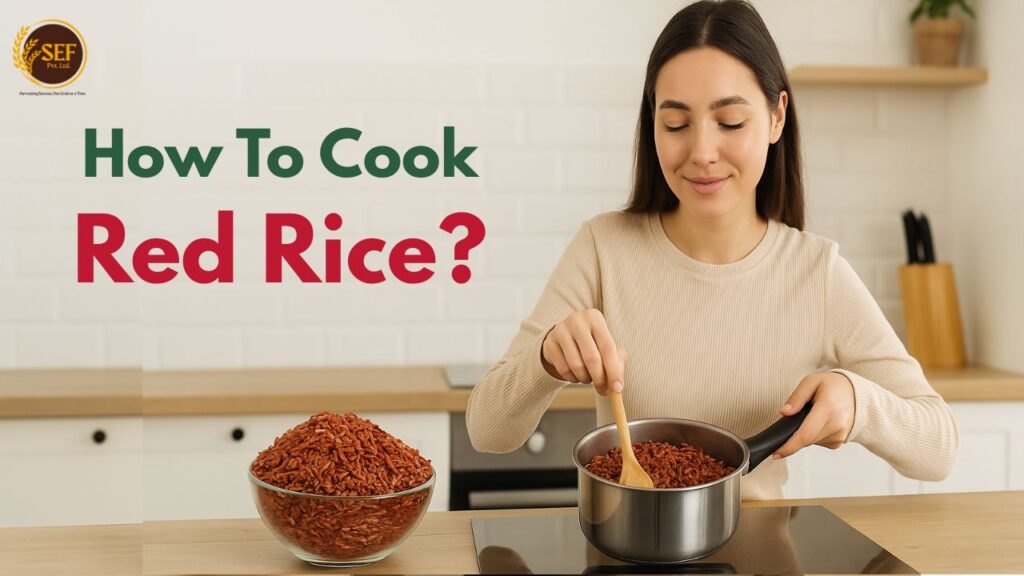
Cooking red rice the right way preserves its nutrients and enhances its taste.
| Feature | Red Rice | Brown Rice | White Rice |
|---|---|---|---|
| Bran Layer | Intact | Intact | Removed |
| Glycemic Index | ~55 (Low) | ~64 (Medium) | ~73 (High) |
| Fiber Content | High | Moderate | Low |
| Antioxidants | High (Anthocyanins) | Low | Very Low |
| Best For | Weight loss, Diabetes | Daily meals | Occasional use |
Red rice is an excellent choice for those seeking a nutritious and functional whole grain. Further, due to its antioxidant content, low glycemic index, and versatile cooking profile, it supports weight loss, manages diabetes, and promotes general well-being. With growing awareness around clean eating, red rice nutrition is being increasingly valued.
In addition, Shah Enterprises provides premium red rice and other best rice quality in India, adhering to strict export standards. We are among the largest rice exporters in the world, ensuring top-notch quality, customized packaging, and reliable delivery.
Looking to export rice from India or source nutrient-rich red rice for your brand? Contact Shah Enterprises today.
Yes, red rice can be consumed daily. Its high fiber and antioxidant content make it a healthy choice for daily meals. As part of the best rice quality in India, red rice supports digestion, boosts energy, and maintains long-term wellness.
No, red rice contains zero cholesterol. In fact, it promotes heart health due to its rich antioxidant profile and fiber, making it one of the top red rice benefits for adults and seniors.
Not at all. On the contrary, red rice helps regulate blood pressure levels because of its magnesium and potassium content. If you’re asking, is red rice good for health, The answer is yes, especially for cardiovascular health.
Yes, red rice is beneficial during pregnancy due to its natural iron and folate content. It also aids digestion and energy levels. However, consult a healthcare provider before regular intake. This variety is considered part of the best rice quality in India for expectant mothers.
Yes, red rice is much healthier than white rice. It retains its bran and germ layers, offering more fiber, vitamins, and red rice nutrition. Compared to white rice, red rice is less processed and has a lower glycemic index, ideal for managing blood sugar.

Both are nutritious, but red rice contains more anthocyanins, powerful antioxidants found in its bran. So if you’re choosing between the two for red rice benefits like heart protection and better immunity, red rice is slightly superior.
Yes, red rice is known to reduce liver fat accumulation thanks to its fiber and antioxidant content. Its detoxifying properties support liver function, making it ideal for those managing fatty liver disease. It’s also a safer alternative to eating raw rice, which offers no such benefits.