
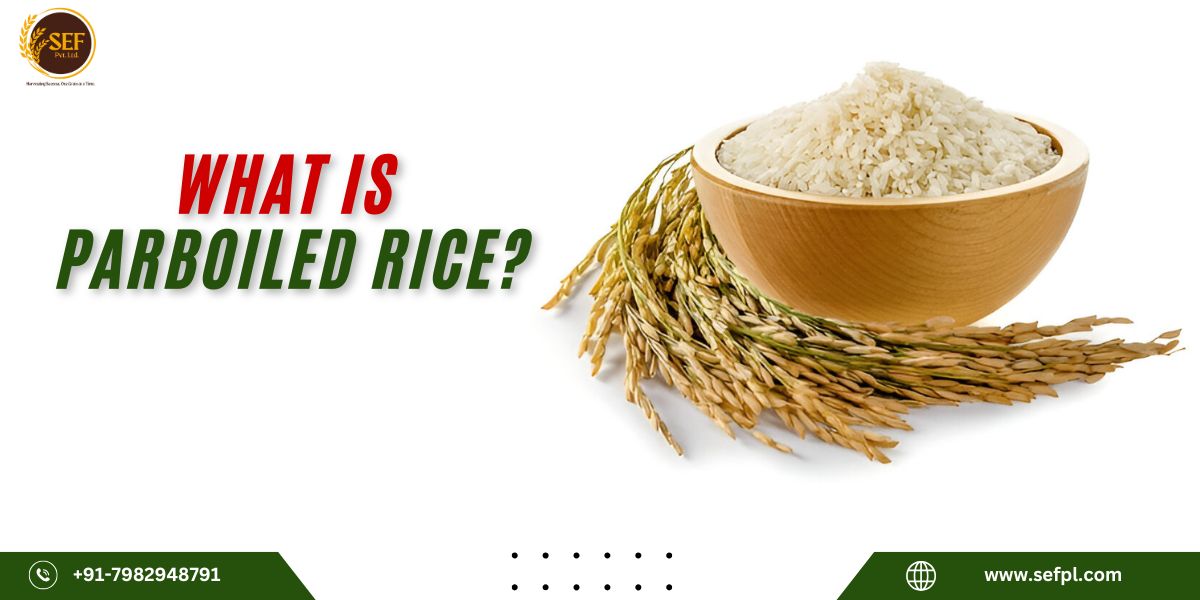
Farmers partially precook parboiled rice, also called converted rice, while the grain is still in its husk. They soak, steam, and dry the paddy before milling.
This process pushes essential nutrients from the bran into the grain, making parboiled rice more nutritious than regular white rice.
Unlike raw rice, parboiled rice shows a slightly yellowish tint and a firmer texture. It holds its shape well after cooking and does not stick, which makes bulk caterers, biryani chefs, and international buyers prefer it.
Our guide will explore the benefits, disadvantages, health aspects, and types of parboiled rice in India, along with its role in exports, to help you better understand what is parboiled rice.
Therefore, many nutritionists recommend parboiled rice as a healthier staple for daily meals. It balances nutrition better than white rice, cooks faster than brown rice, and stays softer in texture.
The main benefits of parboiled rice make it stand out as a healthier and more practical option compared to raw rice. Moreover, because of its unique processing method, it retains nutrition while offering excellent cooking properties.
Steaming transfers nutrients from the husk into the grain, so parboiled rice retains more B-complex vitamins and minerals such as calcium, magnesium, and potassium.
Resistant starch in parboiled rice acts as a prebiotic and improves gut health. In addition, it regulates bowel movements.
It cooks into fluffy, separate grains, which makes it ideal for biryani, pulao, and fried rice.
Exporters and wholesalers prefer parboiled rice because it resists spoilage better than raw rice.
Like any food, there are some disadvantages of parboiled rice that you should know:

Many people ask, Is parboiled rice healthy? The answer lies in its nutrition profile and health benefits:
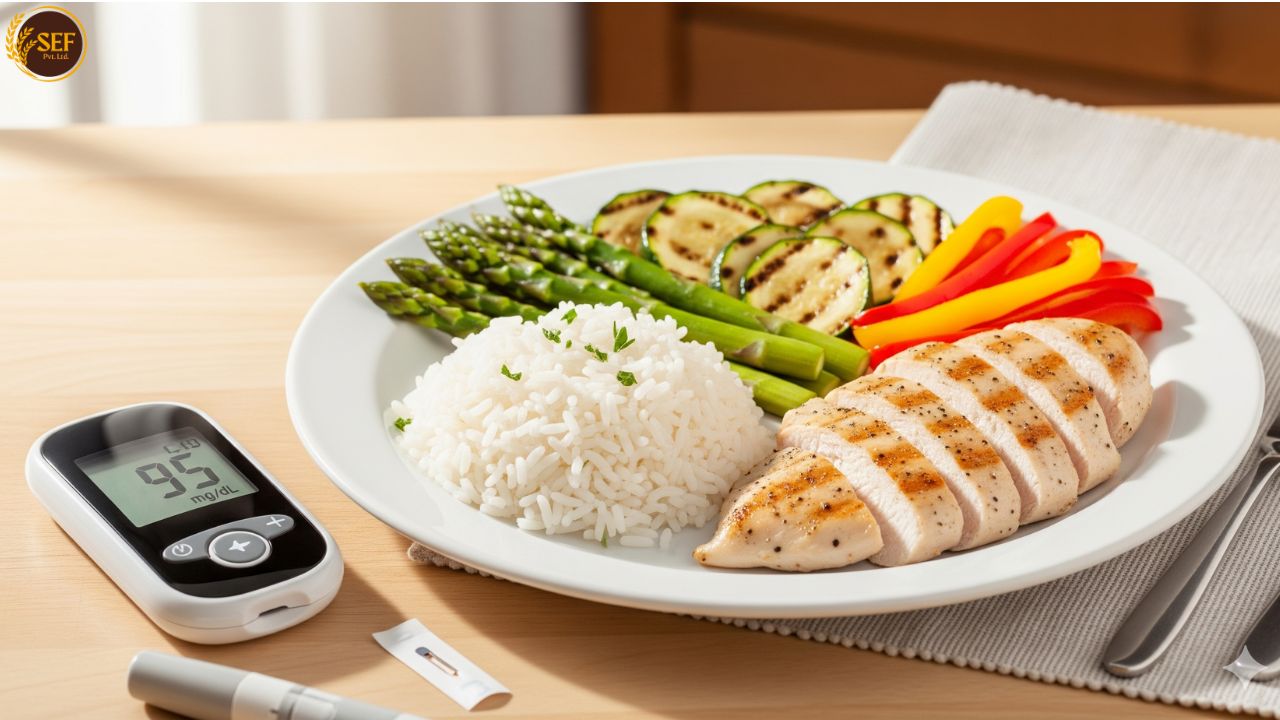
Doctors often recommend parboiled rice for people with diabetes because of its lower impact on blood sugar. Here’s why it is considered a good choice:
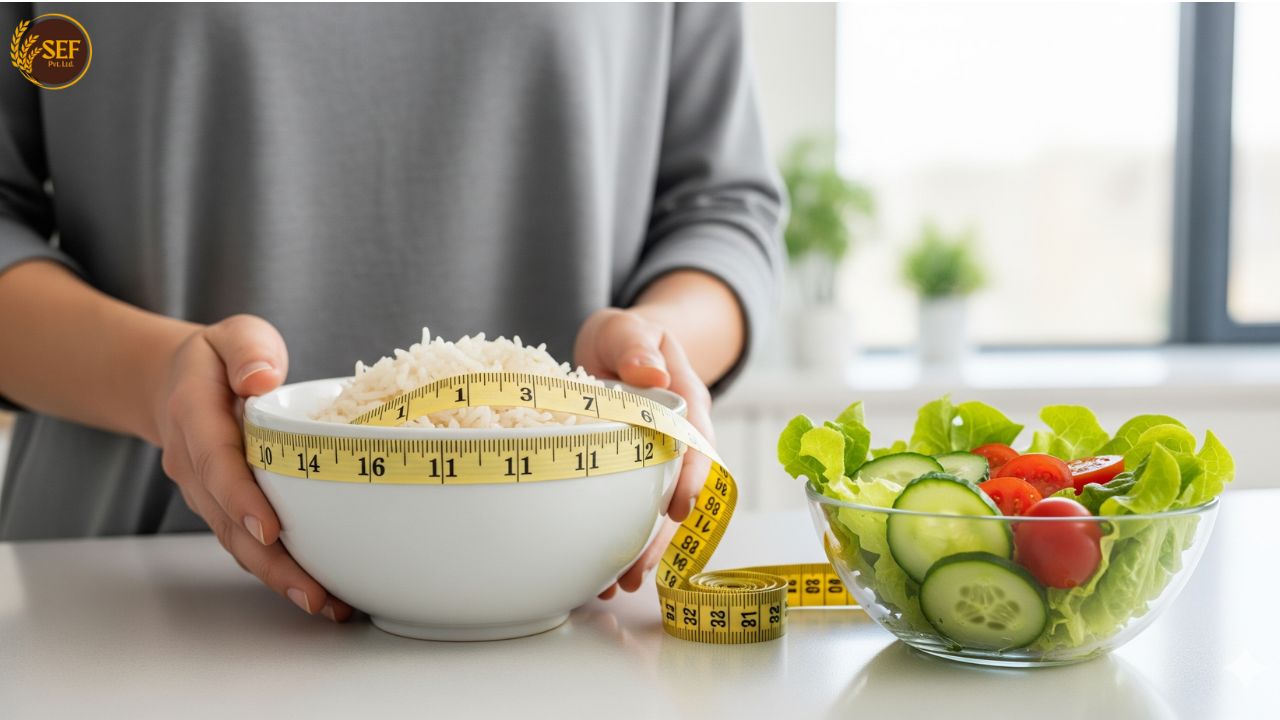
Yes, many diet experts recommend parboiled rice for weight loss because of its unique nutritional profile. Here are the main reasons why:
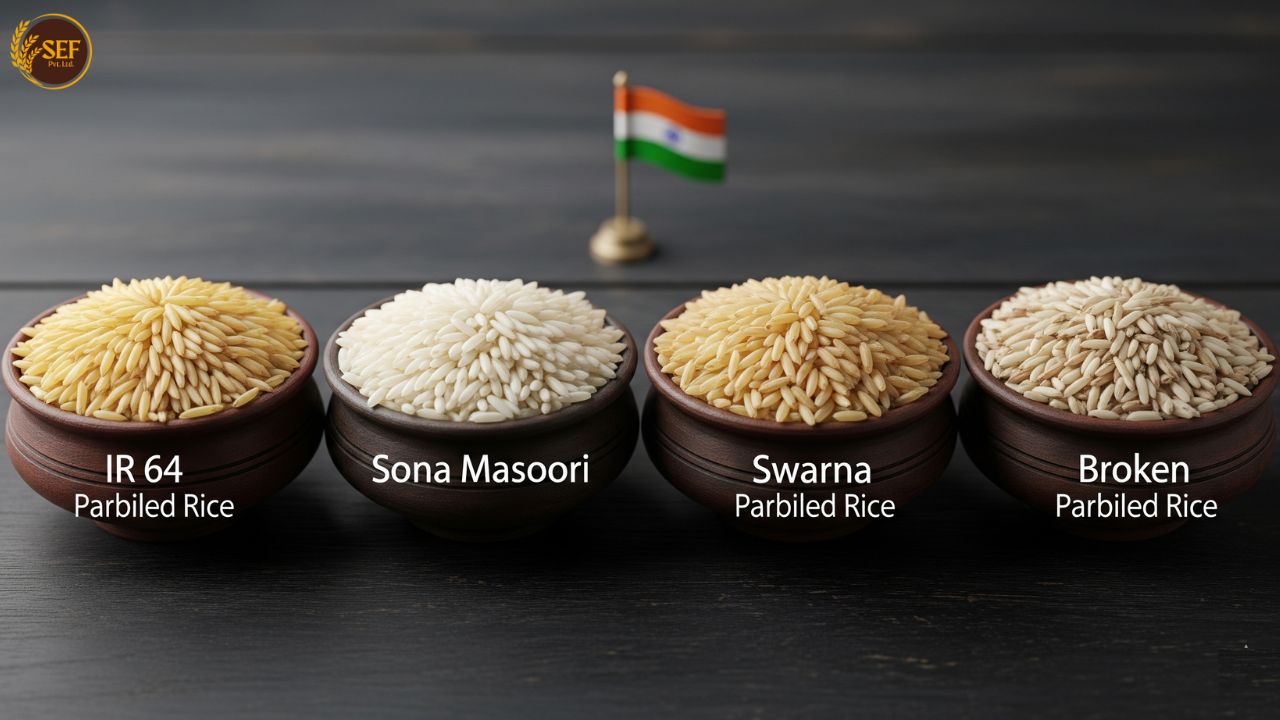
India is among the largest producers of rice in the world, and parboiled rice varieties are widely grown for both domestic use and exports. Popular types include:
At Shah Enterprises, we supply premium-quality varieties such as 100% Broken Parboiled Rice, IR 64 Parboiled Rice, Sona Masoori Parboiled Rice, and Swarna Parboiled Rice to meet domestic and international market demand.
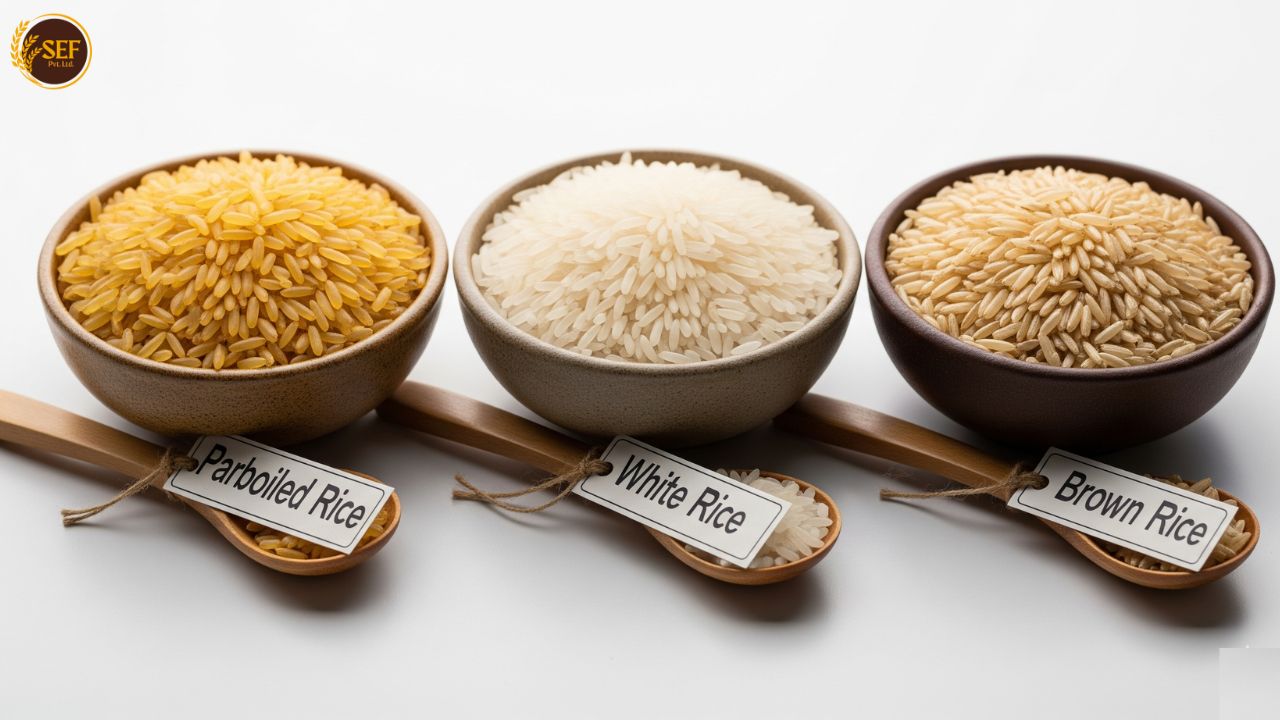
When comparing these three rice types, the difference lies in their nutrition, cooking style, health benefits, and export demand.
| Feature | Parboiled Rice | White Rice | Brown Rice |
|---|---|---|---|
| Nutrient Retention | High | Low | Very High |
| Fiber Content | Moderate | Very Low | High |
| Glycemic Index (GI) | Low-Medium (38–50) | High (70+) | Low (45–55) |
| Cooking Time | Moderate | Short | Long |
| Texture | Firm, Non-sticky | Soft, Sticky | Chewy |
| Shelf Life | Long | Moderate | Moderate |
Many people in India are curious about rice prices in India and how healthier options like parboiled rice compare in affordability. Since it is grown in bulk, parboiled rice remains budget-friendly while still providing better nutrition than white rice.
Moreover, some people suffer from the issue of craving raw rice. Nutritionists often suggest practical tips to stop eating raw rice, as excessive consumption may lead to health issues such as indigestion or iron deficiency. Further, parboiled rice helps in satisfying cravings in a healthier way.
Parboiled rice strikes the perfect balance between nutrition, taste, and affordability. In addition, it provides more nutrients than white rice, is easier to cook than brown rice, and promotes better blood sugar management.
From diabetics to fitness-conscious individuals, parboiled rice is a healthy staple choice. In addition, it is available in a variety of varieties, from IR 64 Parboiled Rice to Sona Masoori Parboiled Rice, so there is something suitable for every household and international market.
Shah Enterprises is your trusted partner for premium parboiled rice exports worldwide. Chat with us on WhatsApp today and get the best deals directly from our team.
Shah Enterprises offers the best export-quality rice with competitive prices and trusted global delivery.
Parboiled rice is partially boiled in its husk, which helps retain more nutrients compared to regular white rice. Regular rice loses more vitamins and minerals during milling, while parboiled rice is healthier and less sticky after cooking.
In India, parboiled rice is commonly known as “Ushna Chawal” or “Sela Rice”, depending on the region. It is widely consumed in southern and eastern states.
Yes, parboiled rice can be cooked in a rice cooker. Simply adjust the water-to-rice ratio (usually 2 cups of water for 1 cup of rice) for fluffy, non-sticky grains.
No, parboiled rice is not hard to digest. In fact, it has a low glycemic index and provides sustained energy, making it suitable for diabetics and fitness-conscious individuals.
Yes, poha (flattened rice) is made from parboiled rice that is flattened into flakes. It retains nutrients and cooks quickly, making it a healthy breakfast option.
Yes, Sona Masoori rice is available in both raw and parboiled forms. The parboiled variety is popular for its light texture, non-sticky nature, and nutritional benefits.
Parboiled rice typically takes 20–25 minutes to cook on a stovetop. In a pressure cooker or rice cooker, the cooking time may be shorter, around 15–20 minutes.
Yes, parboiled rice is good for weight loss as it contains more fiber and resistant starch than white rice, keeping you fuller for longer and aiding digestion.
