

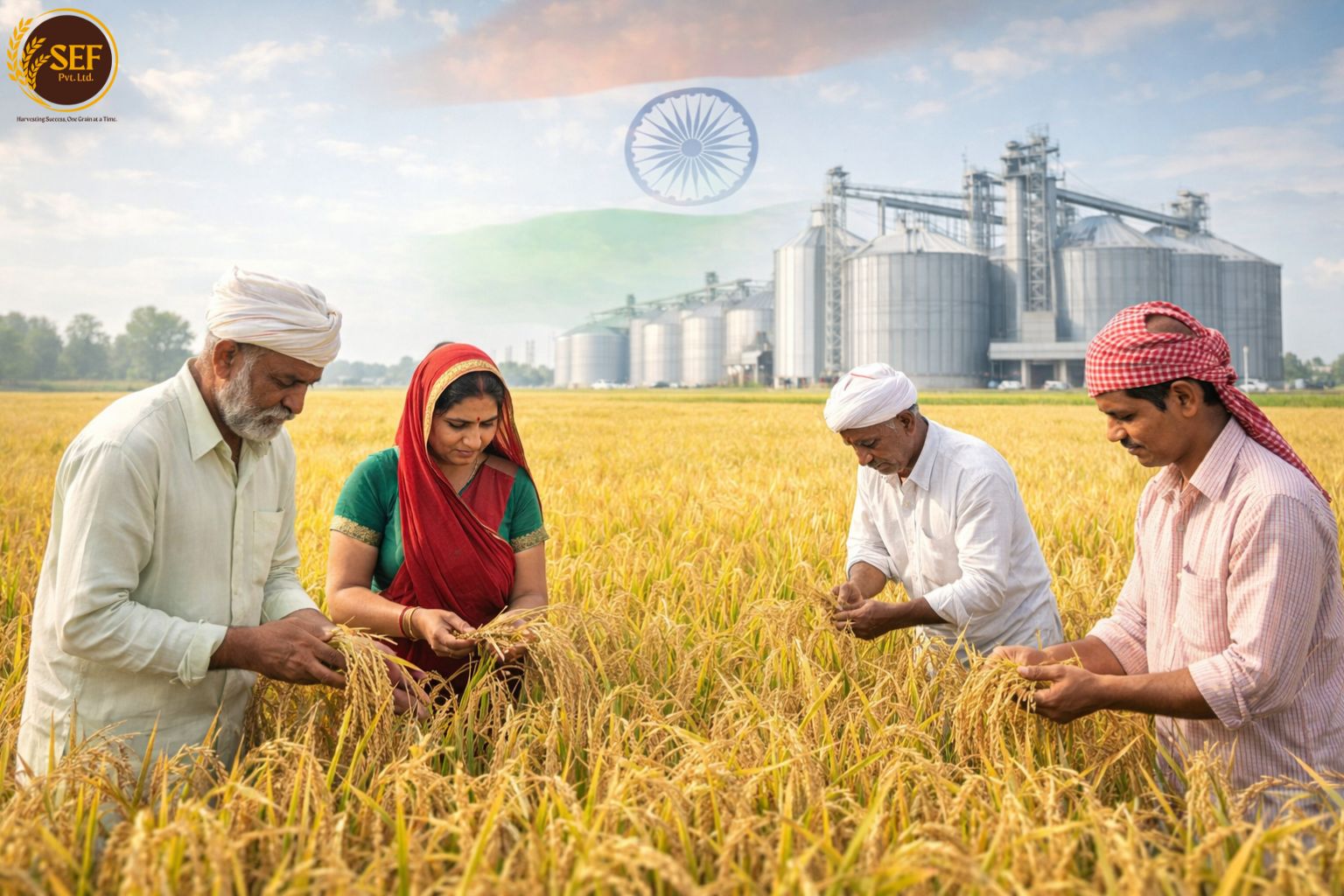
India’s rice export sector has urged the Union government to introduce targeted fiscal and policy measures in Union Budget 2026 to strengthen sustainability, reduce costs, and enhance global competitiveness across basmati and non-basmati rice segments.
Industry representatives highlighted that rice exports play a critical role in supporting rural incomes, ensuring food security, and maintaining India’s leadership in global grain trade. However, rising input costs, environmental stress, and logistics challenges are impacting exporter margins and farmer returns.
Focus on Sustainability and Cost Pressures
Exporters have emphasized that groundwater depletion in major paddy-growing regions, high procurement and storage expenses, and compliance volatility are creating long-term risks. Therefore, they are seeking budgetary support for water-efficient and low-emission farming practices such as Alternate Wetting and Drying (AWD), Direct Seeded Rice (DSR), and energy-efficient milling systems.
These measures, if incentivized, could improve productivity while reducing ecological stress. In addition, promoting premium and GI-tagged rice varieties may help farmers earn higher value, while easing pressure on procurement systems and stabilizing rice prices in India.
Boosting Export Competitiveness and Logistics
To remain competitive in international markets, exporters have sought interest subvention on export credit to reduce working capital stress. They have also called for targeted freight and port-side facilitation to lower logistics costs, which remain a major concern for those looking to export rice from India.
Further, the continuation and rational calibration of export remission mechanisms have been highlighted as essential to offset embedded taxes and maintain price competitiveness.
Strengthening Compliance and Market Access
Another key recommendation is upgrading quality testing, traceability, and compliance infrastructure. Enhanced certification systems and modern testing facilities would help protect India’s reputation in premium markets and support value-added exports.
With India accounting for nearly 40% of global rice trade, exporters believe the country is well positioned to scale shipments further. Strengthening policy support could also reinforce India’s standing among the top 10 rice exporters in India, while ensuring sustainable growth across the supply chain.
Outlook
As global demand remains steady, timely policy interventions in the Union Budget 2026 could help India consolidate its leadership in rice exports. Strategic support focused on sustainability, cost efficiency, and logistics may ensure long-term stability for farmers, exporters, and overseas buyers alike.