
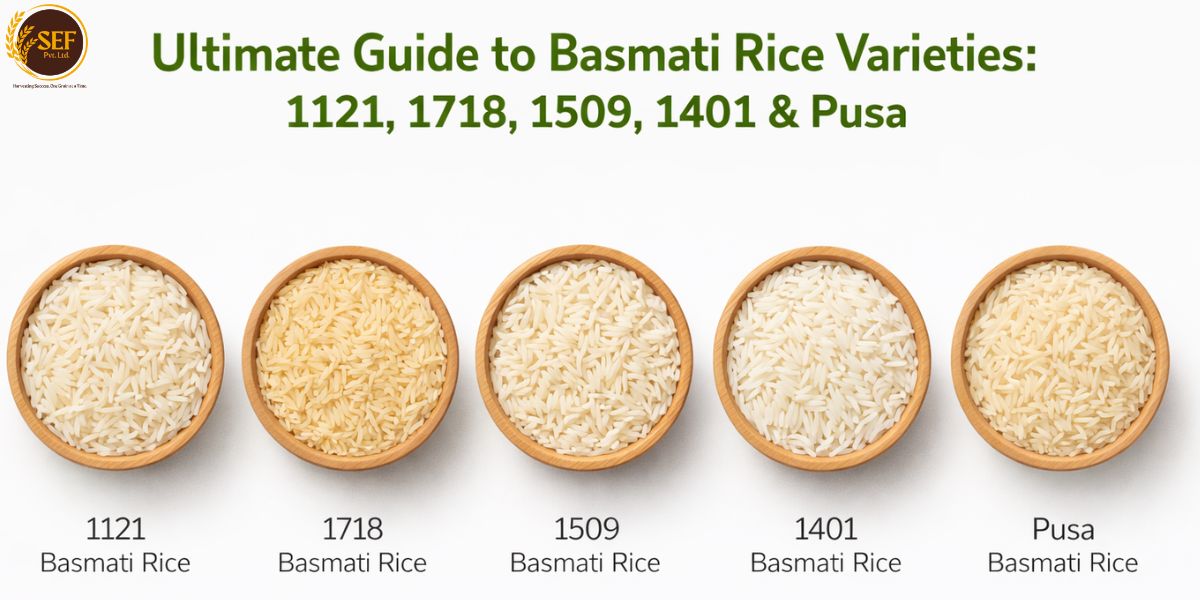
Basmati rice is globally valued for its distinctive aroma, long slender grains, and superior cooking performance. Originating from the Indian subcontinent, Basmati rice holds a premium position in international cuisines, fine dining, and global food trade. Further, among the many types of rice in India, Basmati stands out as the most recognized and export-oriented category.
Each Basmati rice variety differs in grain length, aroma intensity, cooking behavior, yield, and pricing structure. Understanding these differences is essential whether you are selecting rice for home cooking, hospitality, bulk catering, or international trade.
However, this comprehensive 2026 guide explains the five most popular Basmati rice varieties (1121, 1718, 1509, 1401, and Pusa Basmati), helping you make an informed decision based on quality, performance, and market demand.
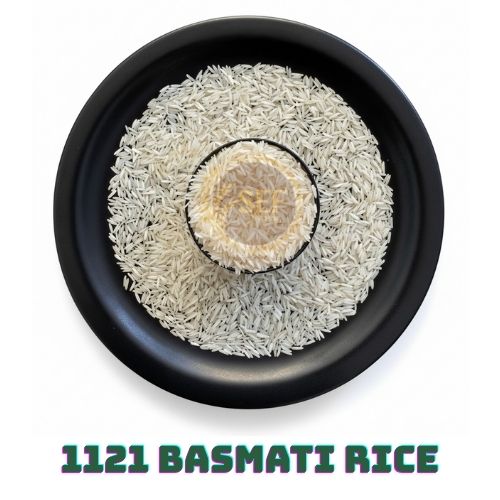
1121 Basmati rice is a premium hybrid variety globally known for its extra-long grain length after cooking. It is widely used in luxury biryanis and export markets due to its superior elongation and presentation.
Key Characteristics:
1121 offers unmatched elongation and visual appeal. Additionally, the grains remain separate after cooking, making it ideal for high-end culinary presentations. It commands strong demand in international markets and is commonly selected by businesses involved in export rice from India, particularly for Middle Eastern and European buyers.
Best Uses:
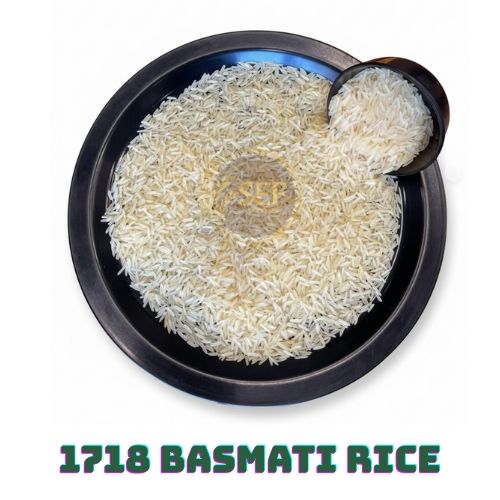
1718 Basmati rice is a modern high-yield hybrid developed to offer a balance between quality, aroma, and affordability. It is increasingly preferred by bulk buyers and exporters.
Key Characteristics:
1718 delivers consistent cooking results with a strong aroma similar to premium varieties but at a comparatively competitive price point. In addition, most top 10 rice exporters in India sell this variety both to premium and mid-market international markets.
Best Uses:
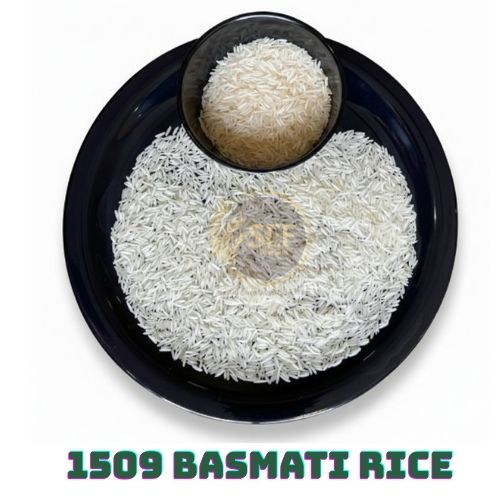
1509 Basmati rice is a high-value premium variety known for its fast cooking time, strong aroma, and long grains. It is widely demanded in hospitality and export segments.
Key Characteristics:
Its quick cooking time helps save fuel and preparation time, making it suitable for commercial kitchens. In addition, due to its premium positioning, this variety often influences Indian rice prices in global markets, especially during peak export seasons.
Best Uses:
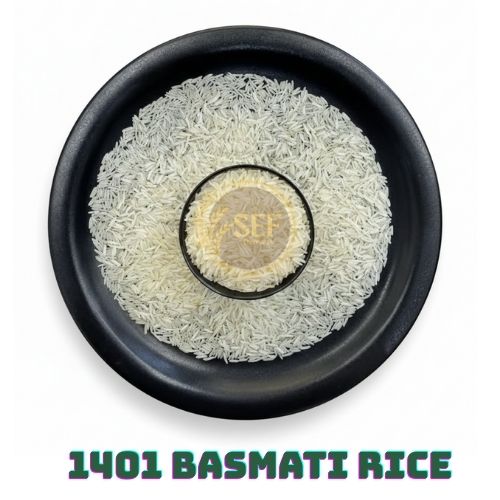
1401 Basmati rice is a traditional and widely cultivated variety valued for its stable quality, mild aroma, and affordability.
Key Characteristics:
Best Uses:
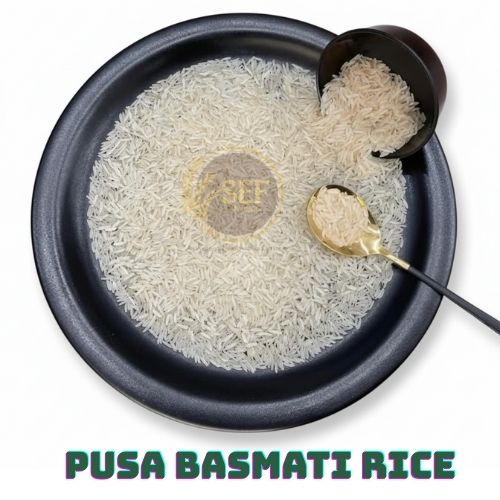
Pusa Basmati rice is developed by the Indian Agricultural Research Institute (IARI) and is known for uniform grains, good aroma, and economic pricing.
Key Characteristics:
Pusa offers dependable quality at a budget-friendly price, making it suitable for large-scale distribution and price-sensitive markets. Because Basmati rice is also ranked among the top 10 agricultural products exported from India, varieties like Pusa contribute significantly to overall agri-export performance.
Best Uses:
| Variety | Grain Length (Cooked) | Aroma Strength | Texture | Cooking Time | Best For |
|---|---|---|---|---|---|
| 1121 | Extra-long (8.35 mm) | Mild | Very fluffy | Medium | Premium biryani, export |
| 1718 | Long (8.35 mm) | Strong | Soft & loose | Medium | Bulk buyers, export |
| 1509 | Extra-long (8.45 mm) | Strong | Fluffy | Fast | Gourmet & hotels |
| 1401 | Long (7.80 mm) | Mild | Slightly sticky | Medium | Daily home use |
| Pusa | Long (7.50 mm) | Strong | Fluffy | Medium | Budget & retail |
Selecting the right Basmati rice depends on your purpose:
Understanding varietal differences is essential not only for cooking performance but also for commercial trade decisions. Moreover, exporters and buyers carefully evaluate grain length, aroma, and yield before finalizing procurement contracts.
Basmati rice continues to dominate premium rice exports due to its superior grain quality and international recognition. Export-focused mills emphasize aging, grading, and strict quality control standards to maintain global benchmarks. In addition, as international demand fluctuates, different varieties gain prominence based on their pricing competitiveness and buyer preference.
Each Basmati rice variety offers unique advantages depending on cooking style, budget, and purpose. Furthermore, understanding these differences ensures better culinary results and smarter business decisions.
Choosing the right Basmati variety enhances taste, presentation, and consistency, whether for home kitchens, hospitality operations, or international trade markets.
If you are looking for premium quality 1121, 1718, 1509, 1401, or Pusa Basmati rice for domestic supply or global export, Shah Enterprises provides reliable sourcing, competitive pricing, and consistent quality standards. Furthermore, the company has strong expertise in the processing and marketing of rice international trade, Shah Enterprises is your trusted partner for bulk orders and worldwide Basmati rice supply in 2026.
Shah Enterprises is a leading Indian rice exporter, supplying 1121, 1718, 1509, 1401, and Pusa Basmati varieties with assured quality, competitive pricing, bulk supply capacity, and smooth international shipping support for global buyers.
Pusa Basmati 1509 is an early-maturing basmati rice variety developed in India. It has long, slender grains, good aroma, and high yield, making it popular for both domestic use and rice export from India.
1401 Basmati is a premium long-grain variety known for its good elongation, soft texture, and balanced aroma. It is widely used in bulk supply and international basmati rice trade.
1121 Basmati has extra-long grain length and superior elongation after cooking. 1718 Basmati offers slightly shorter grains but better yield and cost efficiency, making it suitable for large-scale export markets.
Pusa Basmati refers to rice varieties developed by Indian agricultural research institutes, including 1121, 1509, 1401, and 1718. These varieties are known for aroma, long grains, and strong export demand.
Type 3 Basmati generally refers to traditional basmati varieties with medium-long grain length and natural aroma. It is often used in standard export categories.
Triple 2 (often referring to 1121) is a premium basmati rice variety known for its very long grains and high elongation ratio after cooking. It is widely preferred in global export markets.
The best basmati variety depends on purpose. 1121 is considered premium for length and presentation, 1509 is cost-effective for bulk supply, and 1718 offers a balance of quality and price for export buyers.
